Slag as a Raw Material in the Construction Materials Industry
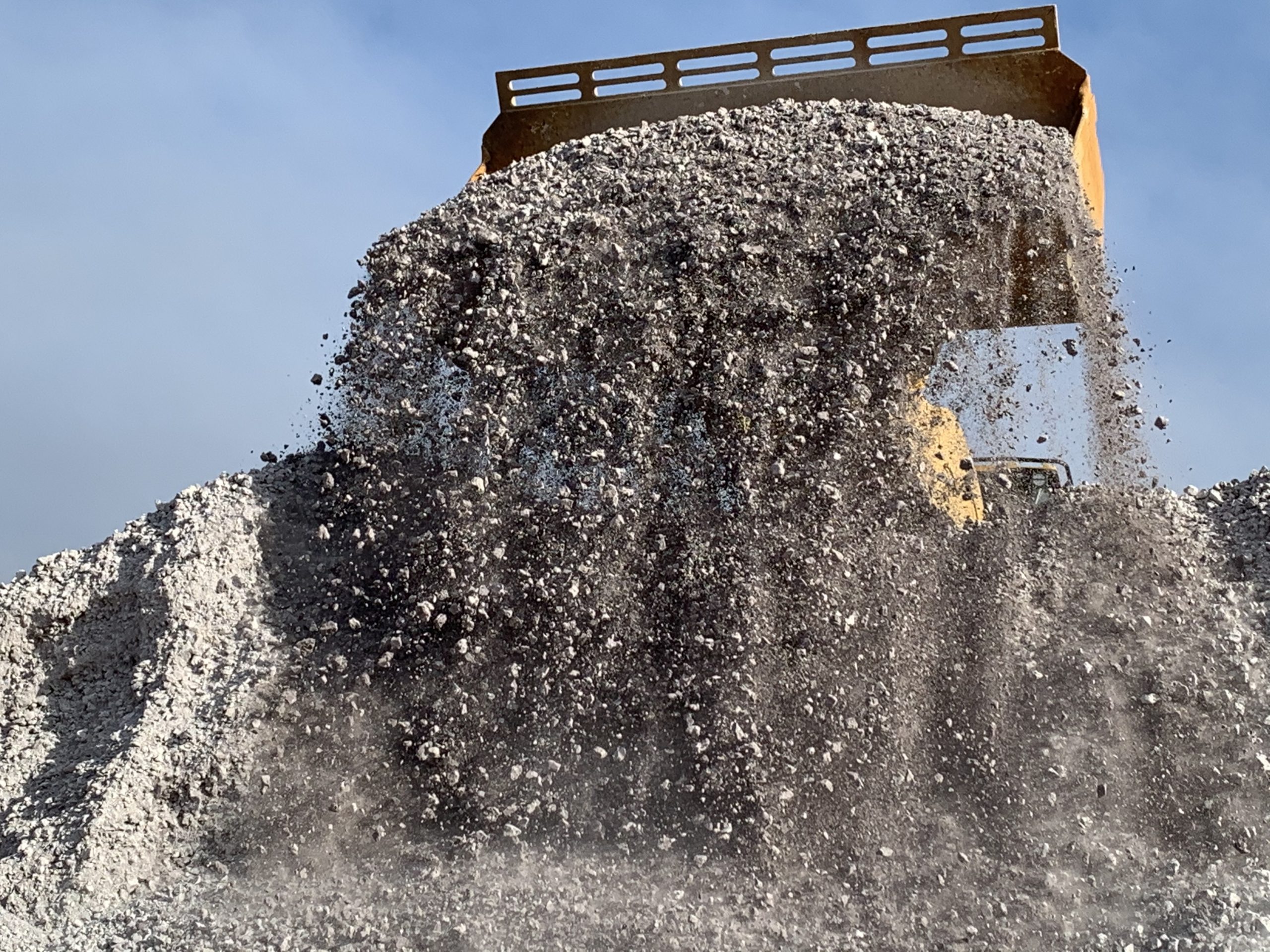
Calcium Silicate Slag: Sustainable, High-Performance, Forward-Looking
During the production of low-carbon ferrochrome, the Weisweiler electric furnace generates calcium silicate slag (CRS), a byproduct with great potential. Up to 75,000 tons of this valuable material are produced annually – and more than 75% of it is reused as a quality-controlled construction material mixture. This means CRS replaces approximately 56,000 tons of natural rock each year – a significant contribution to resource conservation, CO₂ reduction, and the circular economy.
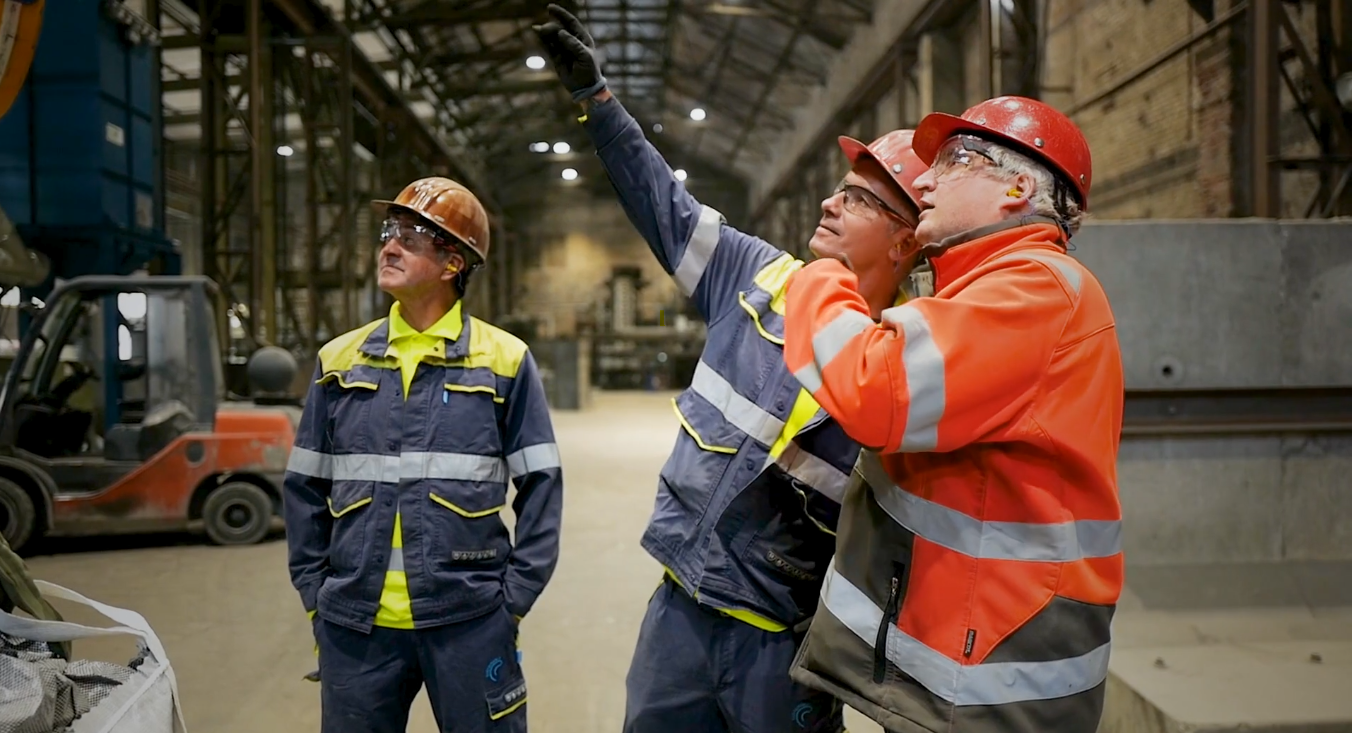
A Byproduct Becomes a High-Tech Building Material
The slag is formed at temperatures of up to 1,800 °C during the smelting process from chrome ore and other additives. Through targeted composition and controlled cooling, a material with consistent quality, high compressive strength, and excellent resistance to environmental influences is created. Over time, CRS construction material mixtures continue to harden, further increasing their load-bearing capacity.